If Your Skin Is Doing Everything Wrong, Check Your Barrier First
Your skin barrier is the most important system in your skincare routine — and the most overlooked. When it fails, everything else fails with it.
Here is how to know when your barrier is compromised, and exactly what to do about it.
What the Skin Barrier Actually Is
The skin barrier — technically the stratum corneum — is the outermost layer of the epidermis. Think of it as a brick wall: skin cells (the bricks) held together by lipids including ceramides, cholesterol, and fatty acids (the mortar).
This structure does two jobs simultaneously: it keeps moisture in and it keeps irritants, pollutants, and pathogens out. When the mortar between the bricks is intact, the barrier functions. When it is depleted or damaged, the wall develops gaps — and the problems begin.
Signs Your Barrier Is Compromised
A compromised barrier does not always announce itself dramatically. The signs are often subtle and easy to misread as individual skin concerns:
Persistent tightness or dryness that does not resolve with moisturizer. Redness or sensitivity to products that used to work. Stinging or burning from serums, toners, or actives. Breakouts that appear in new patterns. Dullness that does not improve with hydration.
All of these are the skin signalling that the outer wall is not doing its job. Treating each symptom individually without addressing the barrier is like patching individual gaps in a leaking vessel — the leak continues.
What Damages the Barrier
The most common causes of barrier damage are also the most common skincare mistakes:
Over-exfoliation — using acids or physical scrubs too frequently strips the lipid layer before it can rebuild. Harsh surfactants — many cleansers remove not just makeup and sebum but the ceramides and natural oils that form the barrier. Environmental stress — low humidity, cold weather, UV exposure, and pollution all degrade barrier integrity over time. pH disruption — products with very high or very low pH disrupt the slightly acidic environment (pH 4.5–5.5) in which the barrier functions optimally.
How to Repair It
Barrier repair is not complicated, but it requires patience and the right ingredients.
Ceramides, cholesterol, and fatty acids replenish the lipid mortar directly — look for these in moisturizers labeled "barrier repair" or "ceramide complex." Panthenol (vitamin B5) accelerates cell turnover and reduces inflammation, shortening the repair timeline. Niacinamide (vitamin B3) stimulates ceramide synthesis, rebuilding the barrier from within. Hyaluronic acid maintains the hydrated environment that barrier repair requires.
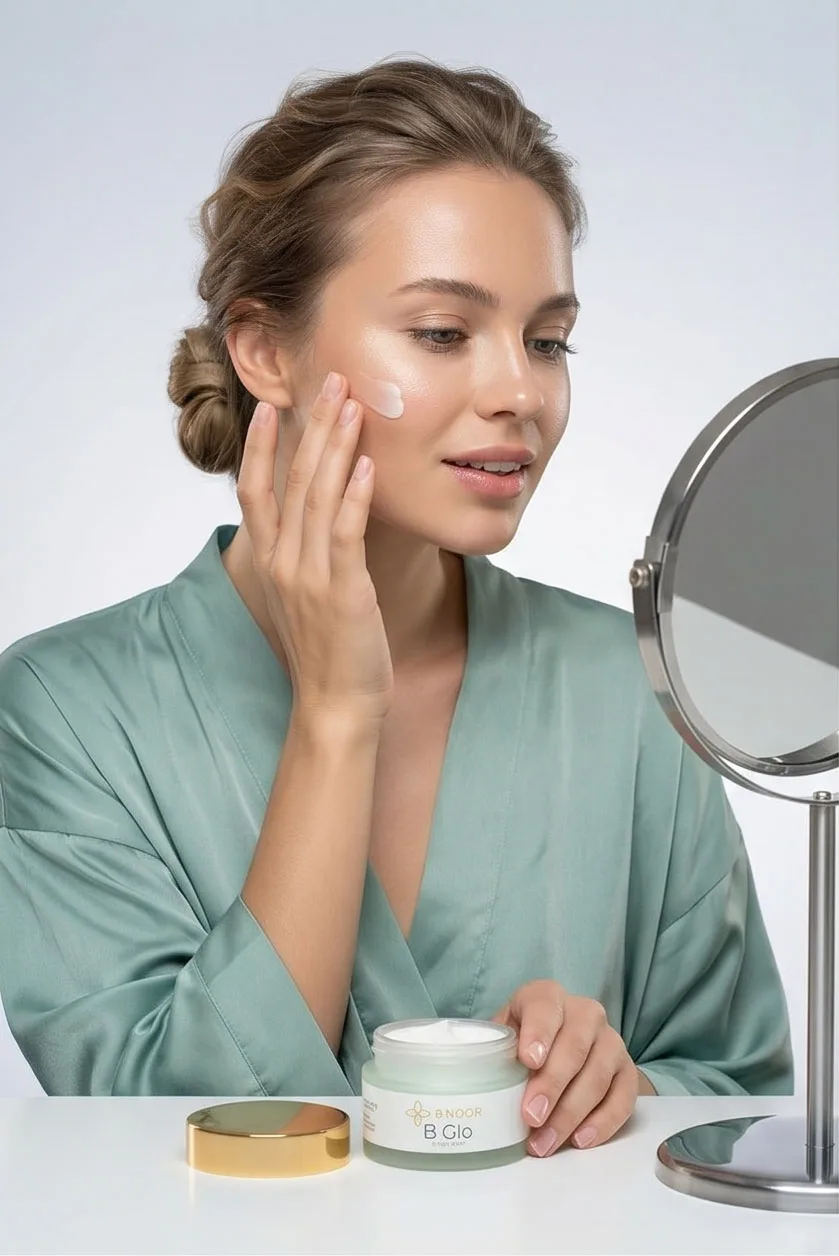
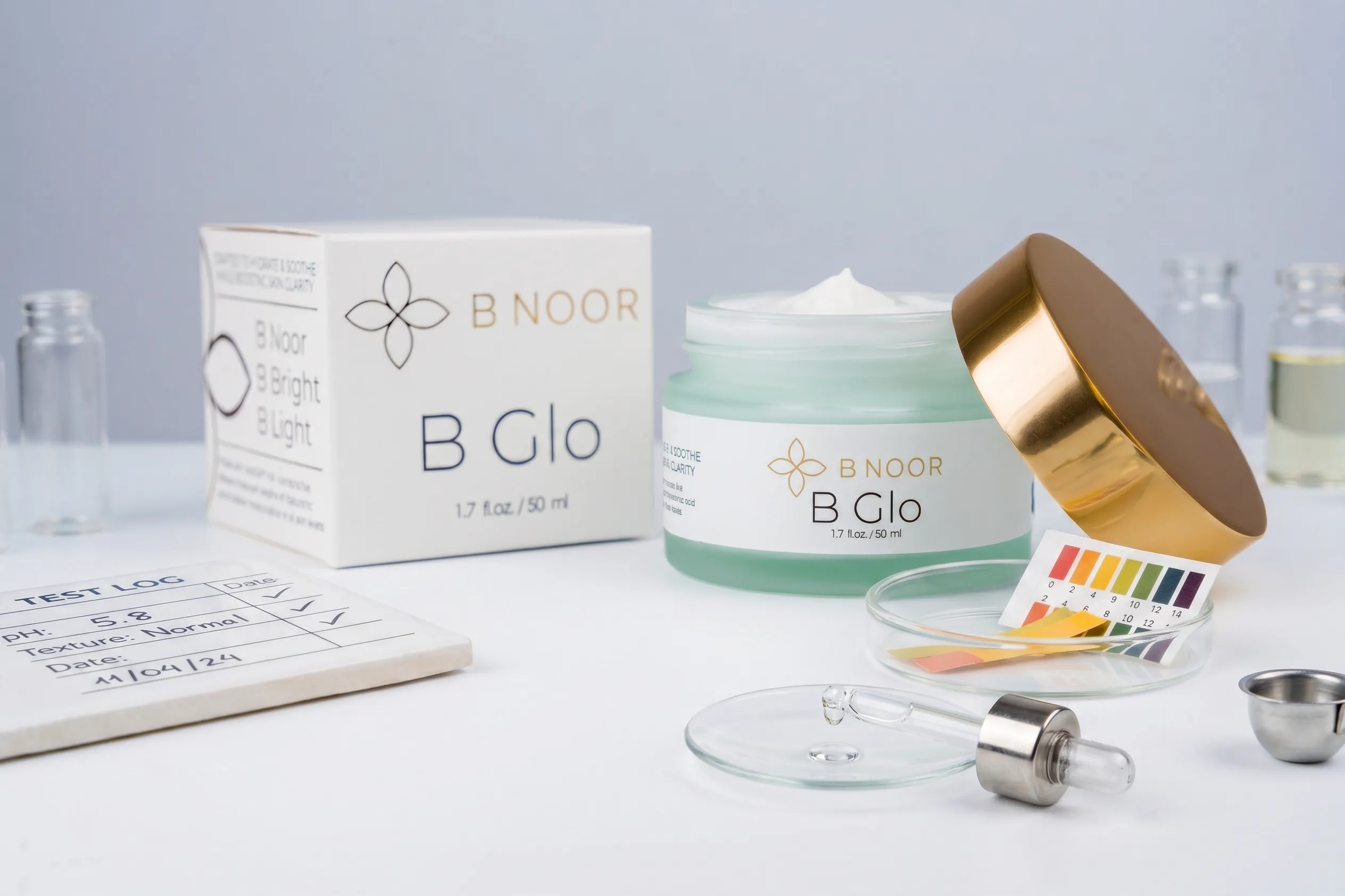
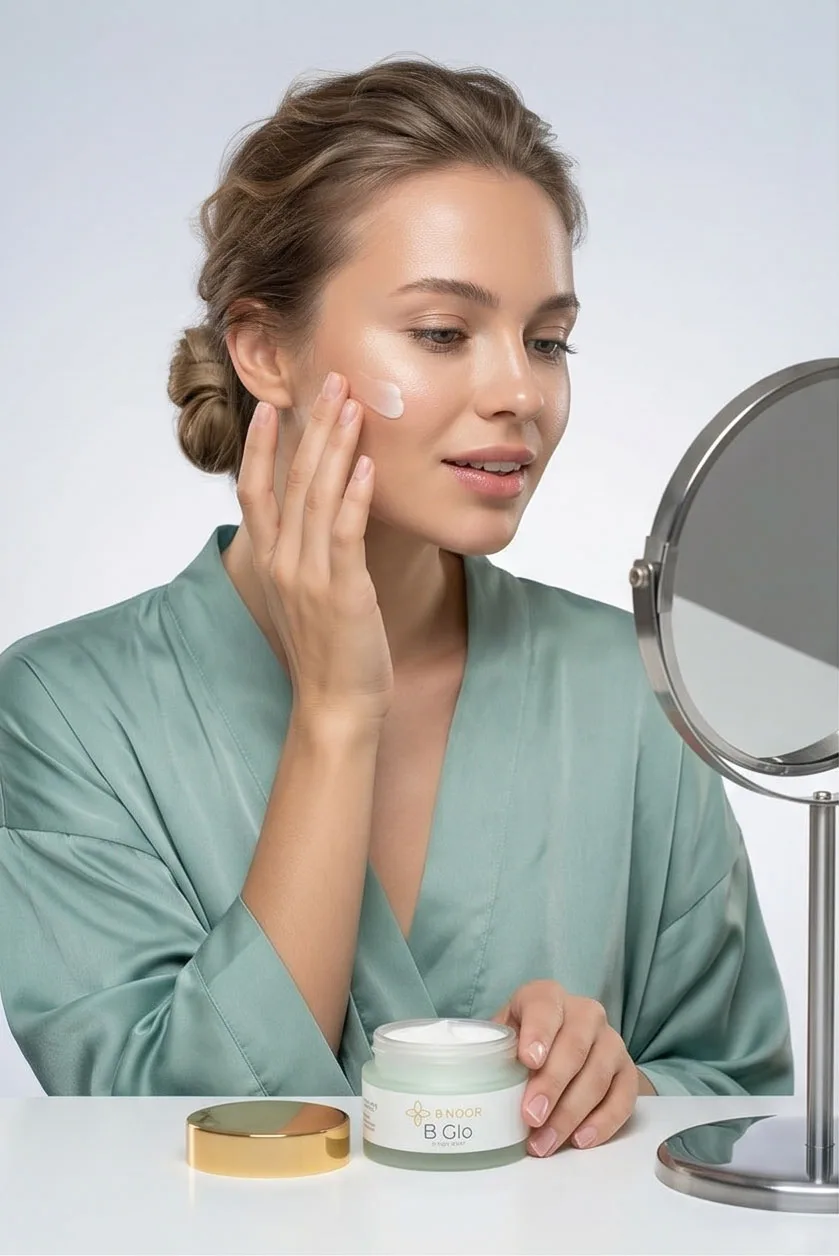
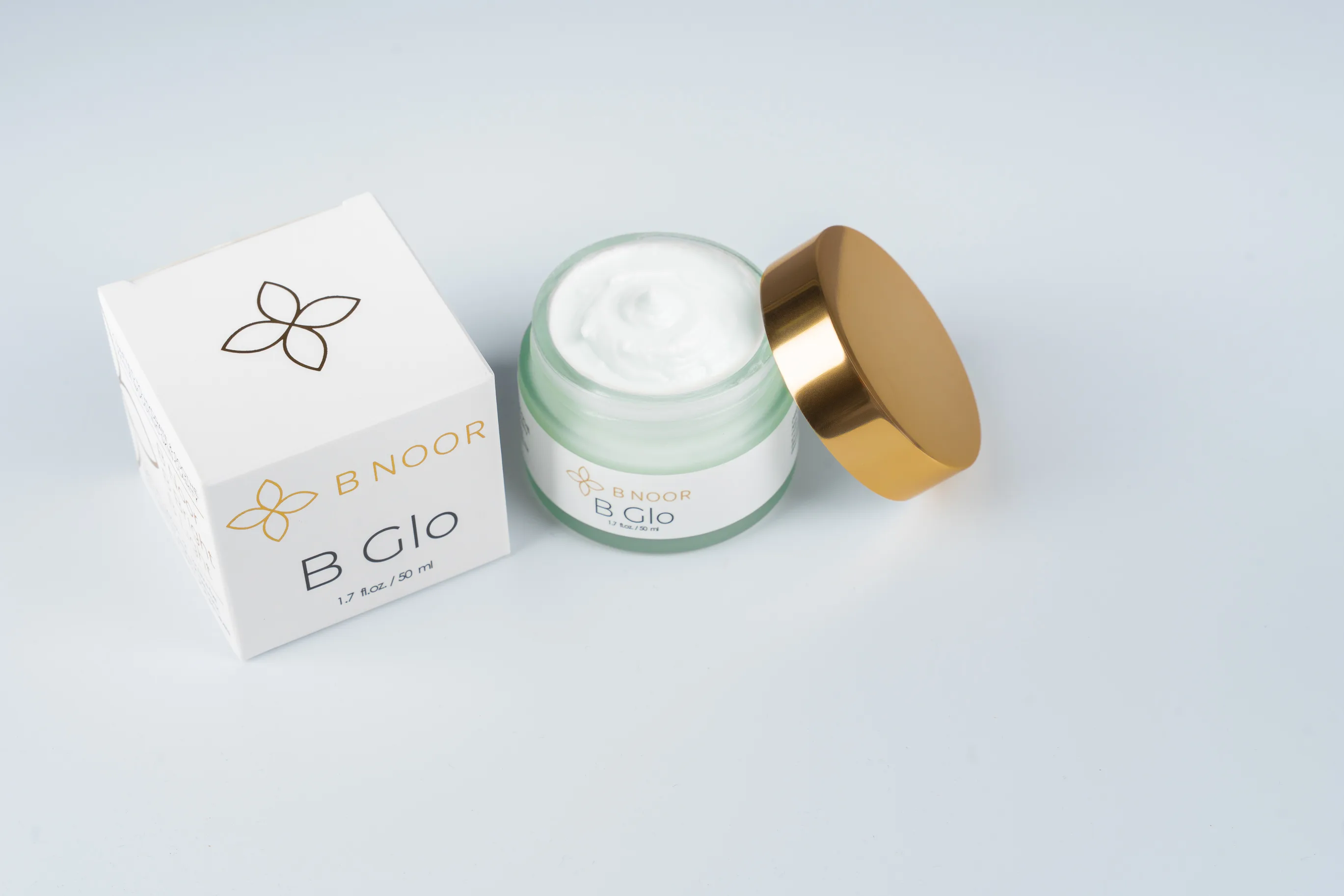
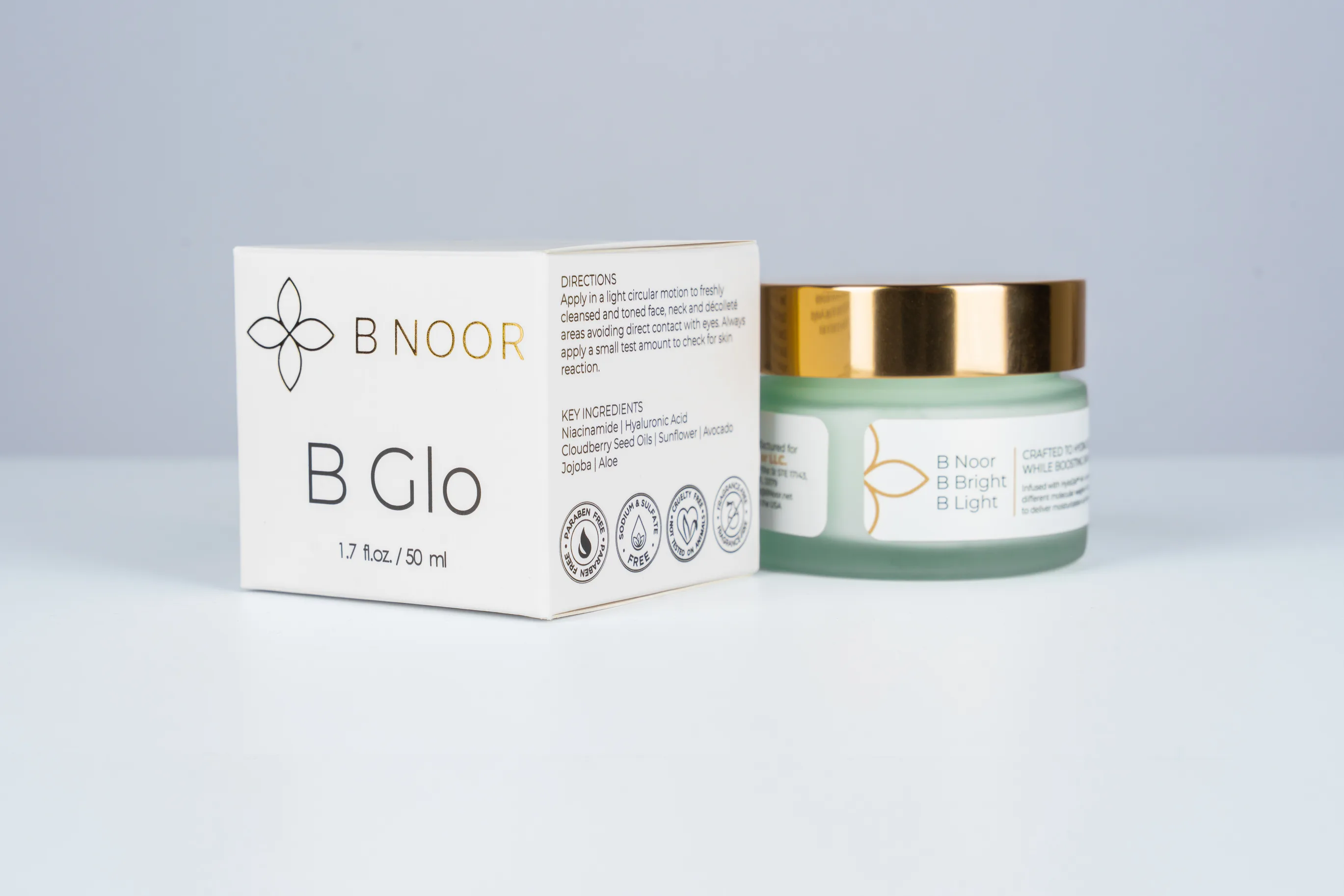
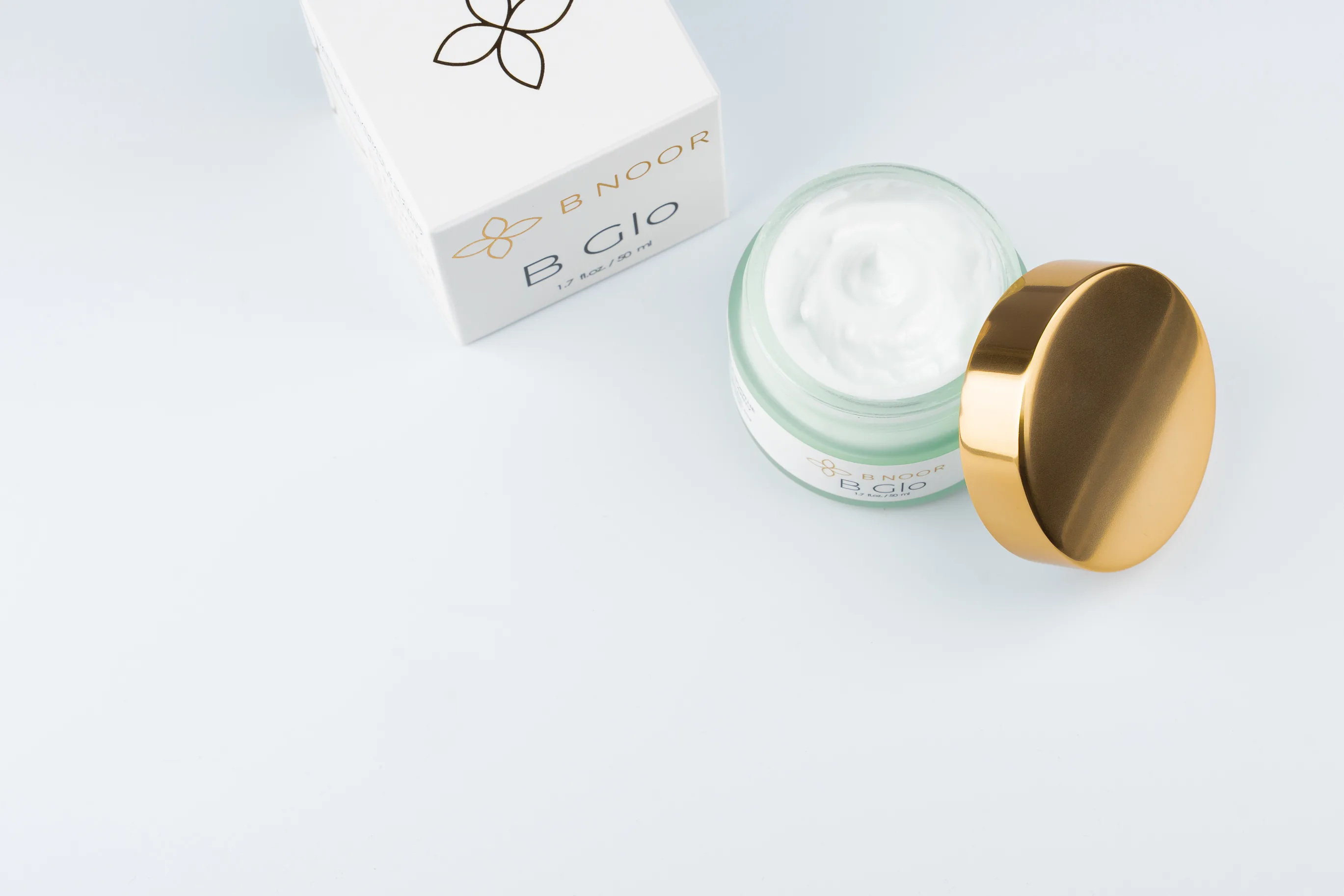
B Glo contains all four of these mechanisms: HyloGlo™ HA Complex for hydration, panthenol for repair, niacinamide for ceramide synthesis, and organic oils that closely mimic the skin's natural lipid profile.
What to Avoid While Repairing
The most important part of barrier repair is stopping the damage — before adding repair ingredients.
Pause all exfoliants (AHAs, BHAs, physical scrubs) for at least two weeks. Switch to a gentle, pH-balanced cleanser with no sulfates. Remove any actives that are causing stinging or sensitivity. Simplify your routine to cleanser, a barrier-supportive moisturizer, and SPF.
A compromised barrier cannot absorb or benefit from actives the way healthy skin can. Piling ingredients onto a damaged barrier does not accelerate repair — it extends the damage. Simplicity is the protocol.