Niacinamide and Hyaluronic Acid Together: A Pharmacists Guide to Maximum Hydration
Niacinamide and hyaluronic acid appear together in more formulas than almost any other ingredient pairing — and for good reason. They address complementary skin needs, and when layered correctly, they amplify each other's benefits.
Here is exactly how the combination works and how to use it.
What Niacinamide Does
Niacinamide is vitamin B3. In skincare it is a multi-functional active with one of the strongest evidence bases of any cosmetic ingredient. Clinically validated benefits include: improved skin barrier function (via increased ceramide synthesis), reduced hyperpigmentation (via inhibition of melanosome transfer), minimised pore appearance, reduced sebum production in oily skin types, and anti-inflammatory effects that calm redness and sensitivity.
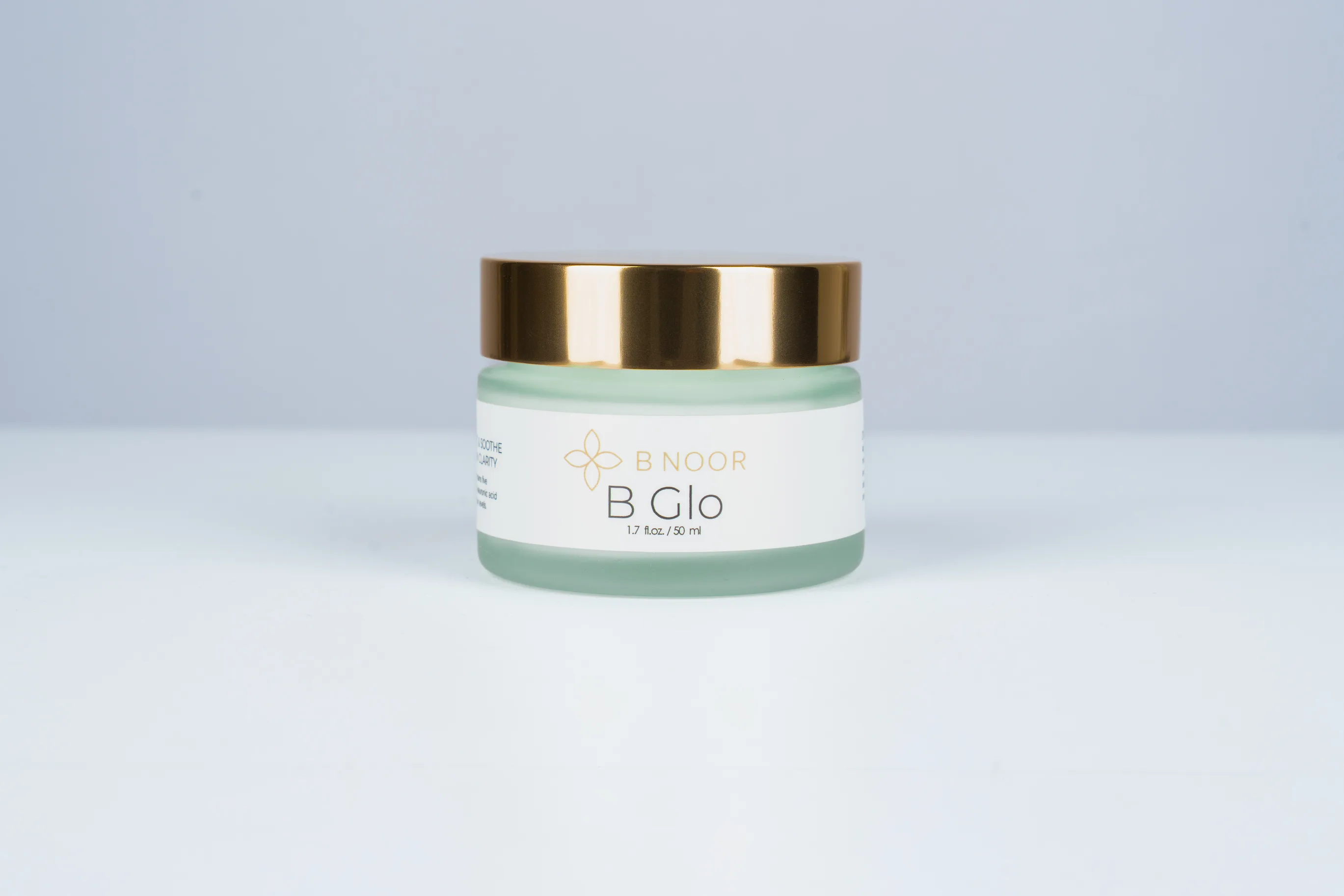
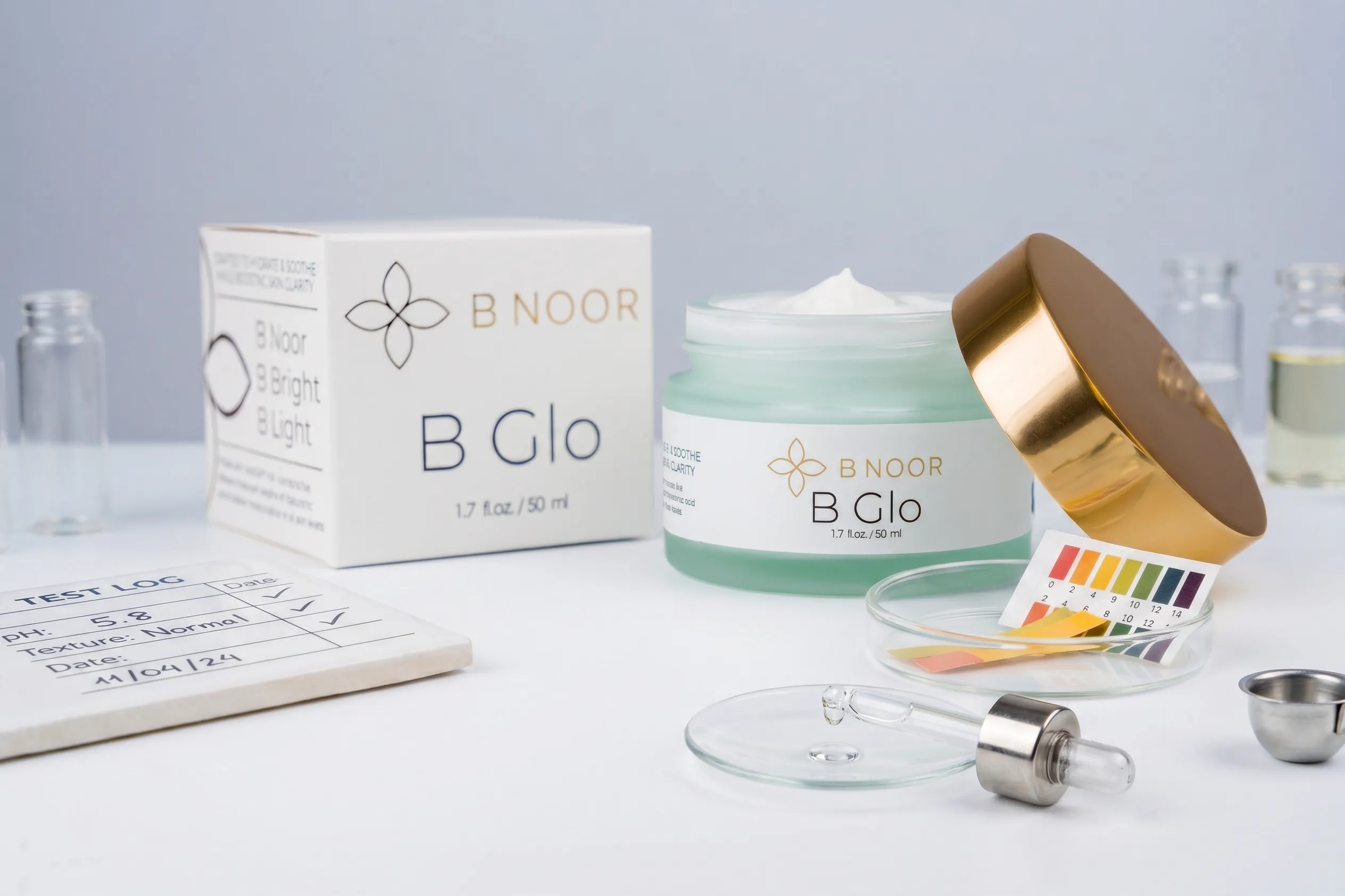
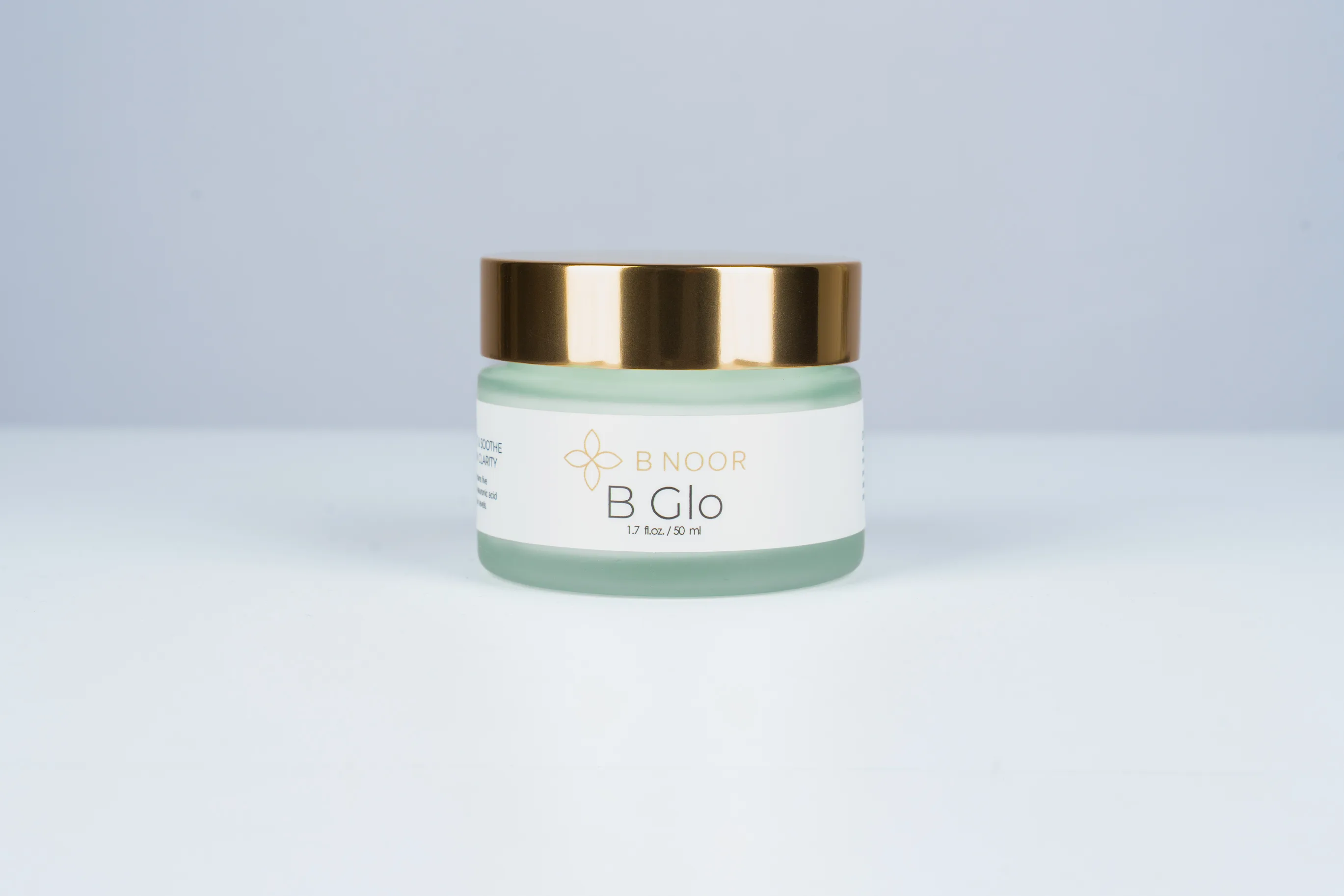
At concentrations of 2–5%, niacinamide produces measurable results for most skin types. B Glo contains niacinamide at a clinically relevant concentration — formulated to deliver visible improvements in tone and texture alongside its hydrating actives.
What Hyaluronic Acid Does
Hyaluronic acid is a humectant naturally produced by the body. Its primary function is to attract and retain water — a single gram binds up to six litres. In the skin, HA is concentrated in the dermis, where it maintains the fluid environment that keeps collagen fibers flexible and skin visibly plump.
As we age, the skin's natural HA production declines. Environmental stressors — UV exposure, pollution, low humidity — accelerate the loss. Topical application replaces what the skin no longer produces at adequate levels. The key is molecular weight: smaller HA molecules penetrate deeper, larger molecules protect the surface.
Why They Work Better Together
Niacinamide and hyaluronic acid do not simply coexist in a formula — they work synergistically.
Niacinamide's barrier-strengthening effect is what keeps hyaluronic acid's moisture from evaporating. HA draws water to the skin; niacinamide increases ceramide production to seal it in. Meanwhile, the well-hydrated environment that HA creates maximises niacinamide's penetration and efficacy. A dehydrated skin barrier is a compromised delivery system. Hydration is the prerequisite for most other actives to work at full capacity.
The practical outcome: better hydration retention, more even tone, and improved texture — faster than either ingredient can achieve alone.
Layering Them Correctly
The sequence matters. Apply products from thinnest to thickest consistency, allowing each layer to absorb before the next.
If you use a niacinamide serum separately: apply it first, on clean skin, while the skin is still slightly damp. Wait 60–90 seconds, then apply your hyaluronic acid moisturizer while the serum is still tacky. The residual moisture from cleansing amplifies HA absorption; the niacinamide layer below supports barrier function for the full stack.
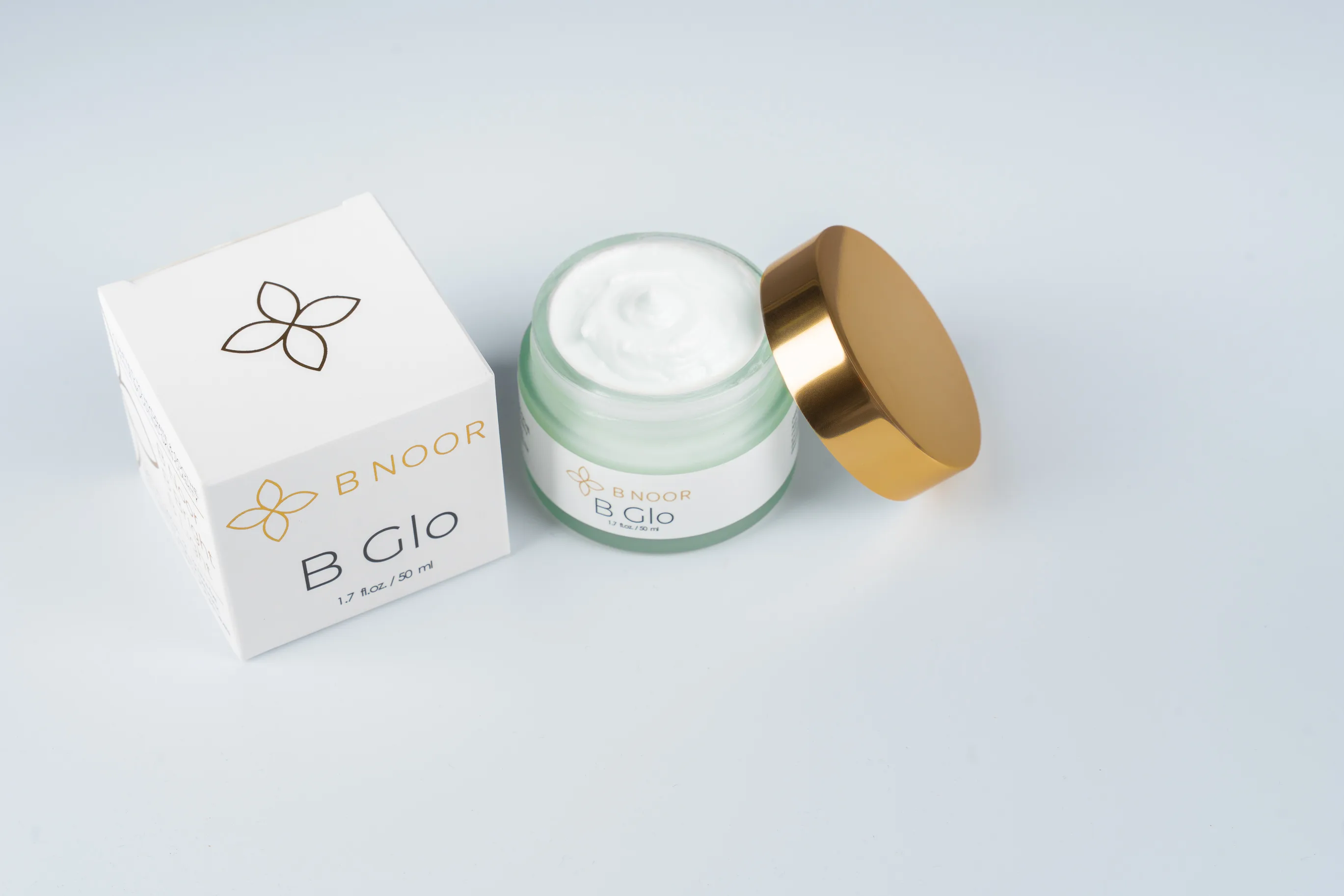
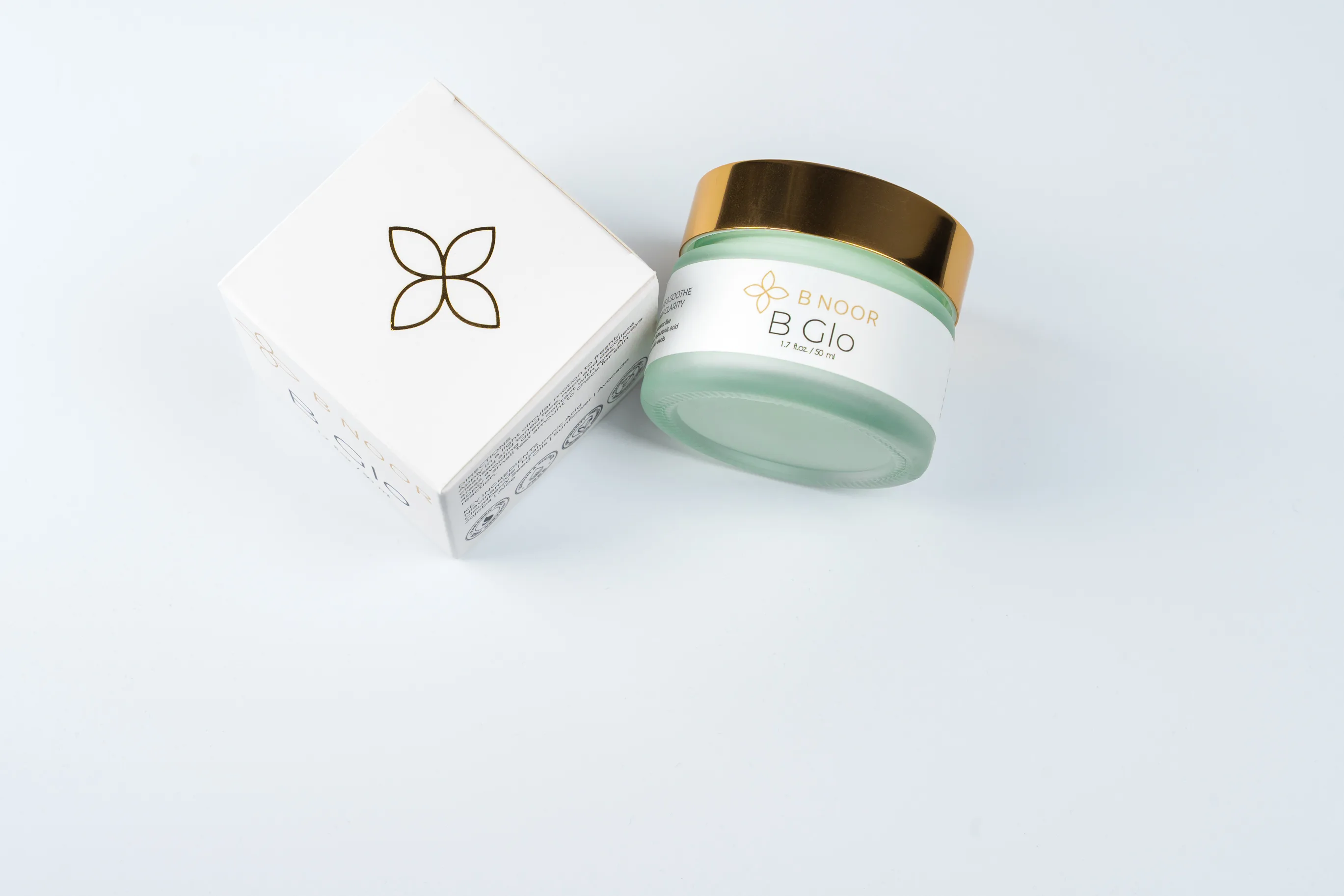
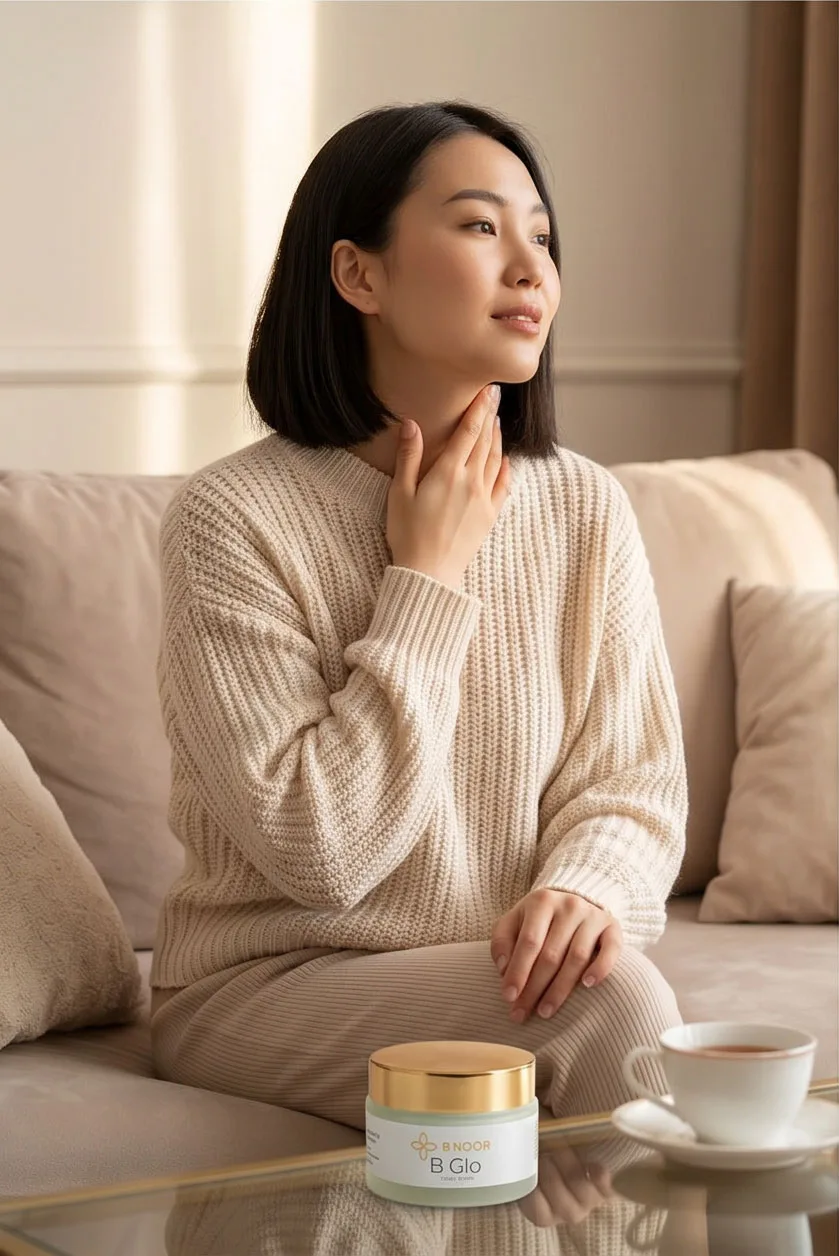
If your moisturizer contains both — as B Glo does — you do not need to layer separately. The formulation handles the sequencing. Apply after any treatment serums, before SPF in the morning.
Results Timeline
Hyaluronic acid produces visible plumping within hours of application — this is the immediate, surface-level effect of moisture retention. The deeper, structural hydration from multi-weight HA builds over two to three weeks of consistent use.
Niacinamide results take longer. Barrier improvements are measurable within two weeks. Tone-evening and pore-minimising effects typically become visible at four to six weeks. The combination becomes most compelling at the three-week mark: skin looks plumper and more radiant (HA working), and the first visible tone improvements begin to appear (niacinamide working).
This is why B Glo commits to a three-week standard: it is the minimum timeline to see what the formula can actually do.