Your Skin Is Running Out of This Molecule — And Nobody is Talking About It
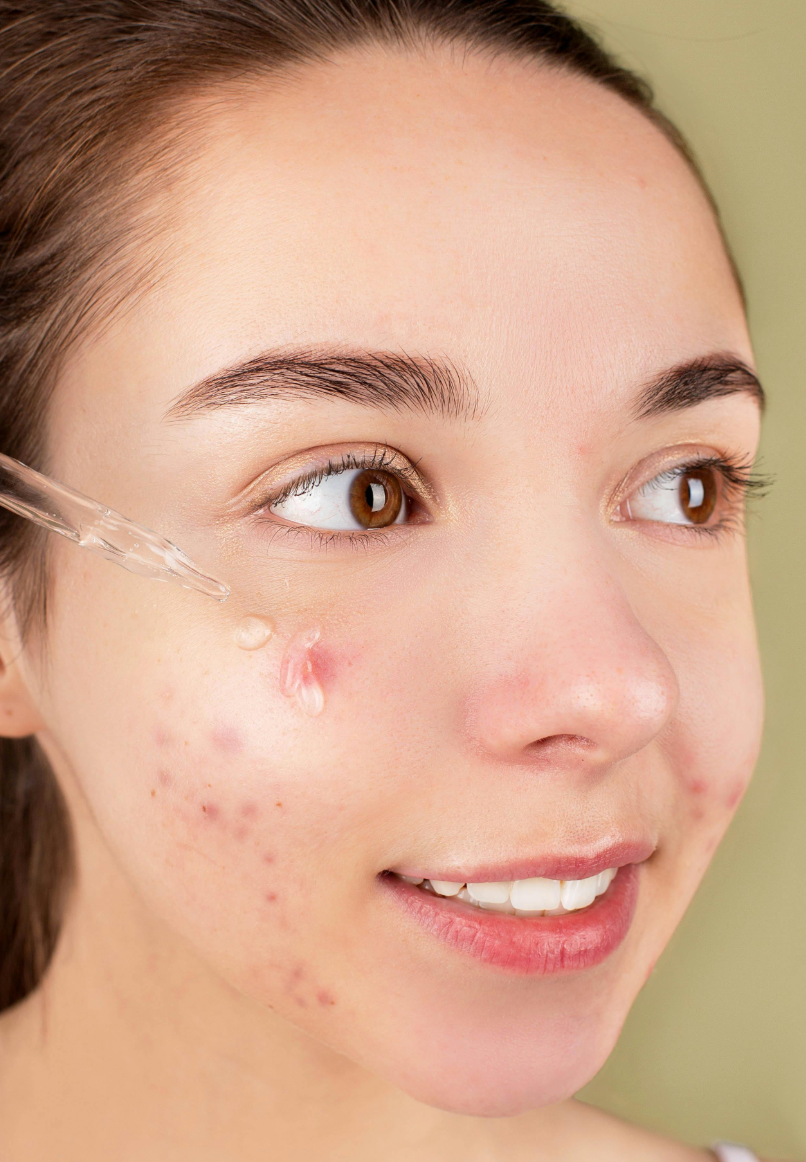
You have tried every serum, every promise, every expensive cream that claimed to turn back the clock. And yet your skin still feels like it is fighting a losing battle — drier than it used to be, slower to bounce back, a little less lit from within. Here is what most skincare marketing will never tell you: the problem is not happening on the surface of your skin. It is happening inside your cells. A molecule called NAD+ — one your body has relied on since birth — is quietly running out. And when it does, everything that keeps skin looking young begins to slow down. The good news? Science has caught up. NAD+ is now arriving in skincare, and the results are turning heads in dermatology labs and bathroom cabinets alike.
What Is NAD+ and Why Does Your Skin Need It?
NAD+ stands for nicotinamide adenine dinucleotide. It sounds complicated, but the concept is simple: it is the molecule that powers everything happening inside your cells. Think of it as the electrical current running through your body's grid. Without it, cells cannot repair DNA, produce collagen, maintain their barriers, or protect themselves from damage. Every single skin cell you have depends on it to function properly. What makes NAD+ especially relevant to skin aging is that your levels decline significantly over time. Research confirms that NAD+ drops by approximately 50 percent between young adulthood and your 40s. That drop is not subtle in its effects. It means slower DNA repair, weaker collagen production, a compromised skin barrier, and skin that accumulates damage faster than it can fix itself. This is the part that most skincare conversations skip over entirely. Products like retinol, hyaluronic acid, and peptides all address symptoms — dryness, lines, loss of firmness. They are genuinely useful. But NAD+ addresses the underlying energy deficit that makes all of those processes slow down in the first place. It is a completely different level of intervention.
The Two Things NAD+ Does That Nothing Else Can
NAD+ is involved in hundreds of biological processes, but for skin health, two stand out above everything else. The first is DNA repair. Every day, your skin is exposed to UV radiation, pollution, stress, and the simple wear of living. All of that causes damage at the DNA level inside your skin cells. NAD+ is what fuels the molecular repair crews that fix that damage. When your levels are high, damage gets repaired efficiently. When they drop, the damage accumulates — and over time that shows up as dullness, uneven tone, deeper lines, and slower healing. The second is collagen production. NAD+ activates proteins called sirtuins — specifically SIRT1 and SIRT6 — that regulate how much collagen your skin makes and how much it destroys. Higher NAD+ levels support sirtuin activity, which means more collagen is produced and less is broken down. The result is firmer, more elastic skin that holds its structure as you age. No topical ingredient works quite like this at the cellular level. That is not marketing language — it is why longevity scientists studying how to slow human aging and dermatologists interested in skin health are looking at the exact same molecule.
NAD+ in Your Skincare: What the Science Actually Says
Topical NAD+ in skincare is a genuinely emerging area, and it deserves an honest conversation. The most dramatic cellular benefits from NAD+ come from oral supplementation and intravenous therapies — both well-studied. Topical application is newer, and research is still building. That said, what is being reported is promising. Independent clinical trials on NAD+ serums have shown measurable improvements in skin hydration, firmness, and fine line appearance over eight-week periods. One leading skincare brand reported clinically proven increases in firmness and elasticity within just seven days of using a NAD+-infused formula. The mechanism makes biological sense: NAD+ and its precursors can be absorbed through the skin and utilized by local cells, especially when formulated properly and layered with ingredients that support absorption. NAD+ in skincare also works on a spectrum. The ingredient itself can be listed as NAD+ directly. It can also appear as NMN (nicotinamide mononucleotide) or NR (nicotinamide riboside) — both of which are precursor molecules your cells convert directly into NAD+. NMN and NR are often more stable in topical formulations and may absorb more reliably. When you see any of these three on a label, you are looking at a product genuinely engaging with this science. The broader shift happening in skincare right now is away from aggressive, surface-level treatments and toward cellular health and barrier resilience. NAD+ is at the center of that shift.
The Ingredients That Work Best Alongside NAD+
The most effective NAD+ skincare products do not rely on the ingredient alone. They layer it with supporting actives that either extend its effects, improve its absorption, or address what NAD+ alone cannot do. Here are the key players worth knowing — and looking for on labels. NMN and NR (NAD+ Precursors): These convert directly into NAD+ inside your cells. They are often more stable in cream and serum formulations than NAD+ itself. If you cannot find a product with NAD+ listed, NMN or NR are equally effective routes. Peptides and Miniproteins: Peptides signal your skin to build collagen. Miniproteins are a newer, more advanced version that penetrate more deeply due to their smaller molecular size, making them more efficient at stimulating collagen production and improving elasticity. Copper Tripeptide GHK-Cu is widely considered the gold standard for longevity-focused skincare. Hyaluronic Acid: A classic for good reason. It holds up to 1,000 times its weight in water. Look for products with multiple molecular weights — large molecules hydrate the surface, while small molecules penetrate deeper layers for lasting plumpness. Ceramides: The structural mortar between your skin cells. They keep moisture in and irritants out. As NAD+ supports cellular energy and repair, ceramides reinforce the physical barrier that protects all of that work. They are especially important for health-conscious women who want to avoid harsh, stripping ingredients. CoQ10 (Coenzyme Q10): Like NAD+, CoQ10 is naturally produced by your body and declines with age. It is a potent antioxidant that neutralizes the free radicals responsible for dullness and premature aging. It pairs beautifully with NAD+ because both work on cellular energy pathways. Snow Mushroom Extract: One of the most exciting natural hydration ingredients of the moment. Studies have shown snow mushroom — also called silver mushroom or tremella — outperforms hyaluronic acid in moisture retention. It is clean, natural, and increasingly recommended by dermatologists for its anti-aging and hydrating properties. Niacinamide: A form of Vitamin B3 and a close chemical cousin of NAD+. It strengthens the skin barrier, minimizes pores, evens tone, and reduces inflammation. It works synergistically with NAD+ rather than competing with it, making it one of the best layering partners available.
How to Build a Morning and Evening Routine Around NAD+
You do not need to rebuild your entire routine. NAD+ fits naturally into what you are likely already doing — it just needs to go in the right place. In the morning, start with a gentle, non-stripping cleanser that preserves your barrier. Apply your NAD+ serum or essence immediately after cleansing while your skin is still slightly damp — this is when absorption is highest. If you use niacinamide or a peptide serum, apply it next while skin is still slightly moist from the first layer. Finish with a moisturizer and, critically, SPF. NAD+ supports repair from UV damage, but preventing that damage in the first place is always the smarter move. In the evening, begin with a double cleanse — an oil cleanser first to remove SPF and makeup, then your regular cleanser. Apply your NAD+ treatment next, before any other actives. Night is when your skin's natural repair processes are most active, and NAD+ directly amplifies that repair window. If you use retinal — the 2025 upgrade to retinol that delivers faster results with significantly less irritation — apply it after your NAD+ layer. Finish with a rich ceramide moisturizer, ideally one that also contains snow mushroom extract for deep overnight hydration. One important note on what not to mix: avoid using highly acidic exfoliants like AHAs or BHAs in the same step as NAD+. Acidic environments can destabilize the molecule. Use your exfoliant before NAD+ application, or save it for alternate evenings.
What to Look For — and What to Avoid — When Shopping
Reading labels for NAD+ products requires a little translation. Here is what actually matters. Look for NAD+, NMN (nicotinamide mononucleotide), or NR (nicotinamide riboside) listed within the first half of the ingredient list. Position on the list matters — the higher up, the higher the concentration. If NAD+ or its precursors are buried at the bottom of a 40-ingredient formula, you are likely getting a trace amount that will not make a meaningful difference. Look for clinical trial data. Legitimate NAD+ skincare brands will reference independent studies — not just internal testing. Eight-week trials, third-party dermatological testing, and transparent methodology are green flags. Look for complementary formulas. NAD+ works best when paired with ceramides, peptides, or hyaluronic acid. A product that isolates NAD+ without supporting ingredients is leaving results on the table. Avoid vague language like cellular energy complex or youth activation matrix with no specific ingredients listed. Avoid formulas where the NAD+ content is bundled inside a proprietary blend with no transparency about percentages. And avoid anything making extreme claims without clinical backing — the science here is genuinely exciting, but it does not need to be exaggerated. If you want to go deeper, consider oral NMN or NR supplements alongside your topical routine. The combination of inside-out and outside-in support is the approach increasingly favored by longevity-focused dermatologists and the women getting the best results.
This Is Not About Looking Younger. It Is About Skin That Works Better.
Here is the mindset shift that changes everything: stop framing skincare as anti-aging and start thinking of it as cellular health. When your skin cells have the energy they need, they repair DNA properly. They produce collagen efficiently. They hold onto moisture. They defend themselves against environmental damage. The visible results — clearer, firmer, more luminous skin — are the natural byproduct of a system that is functioning the way it was designed to. NAD+ is the closest thing science has found to a master switch for that system. That is not an overstatement. It is why the same researchers studying how to extend human healthspan are studying this molecule. It is why longevity clinics and dermatology labs are paying attention. And it is why the women who look extraordinary in their 50s are increasingly the ones who understood this conversation years before it became mainstream. You are already health-conscious. You already read labels. You already think about what goes on and in your body. Adding NAD+ to that picture is not a trend — it is the logical next step for someone who takes skin health as seriously as you do. The question is not whether NAD+ will eventually be in every serious anti-aging product. It already is, in the best ones. The question is whether you will be ahead of that curve.